Treatments
Bleeding gums when you brush: what it means and when to see a periodontist
Pink in the sink is common, but it is not normal. A periodontist’s guide to what causes it and what to do.
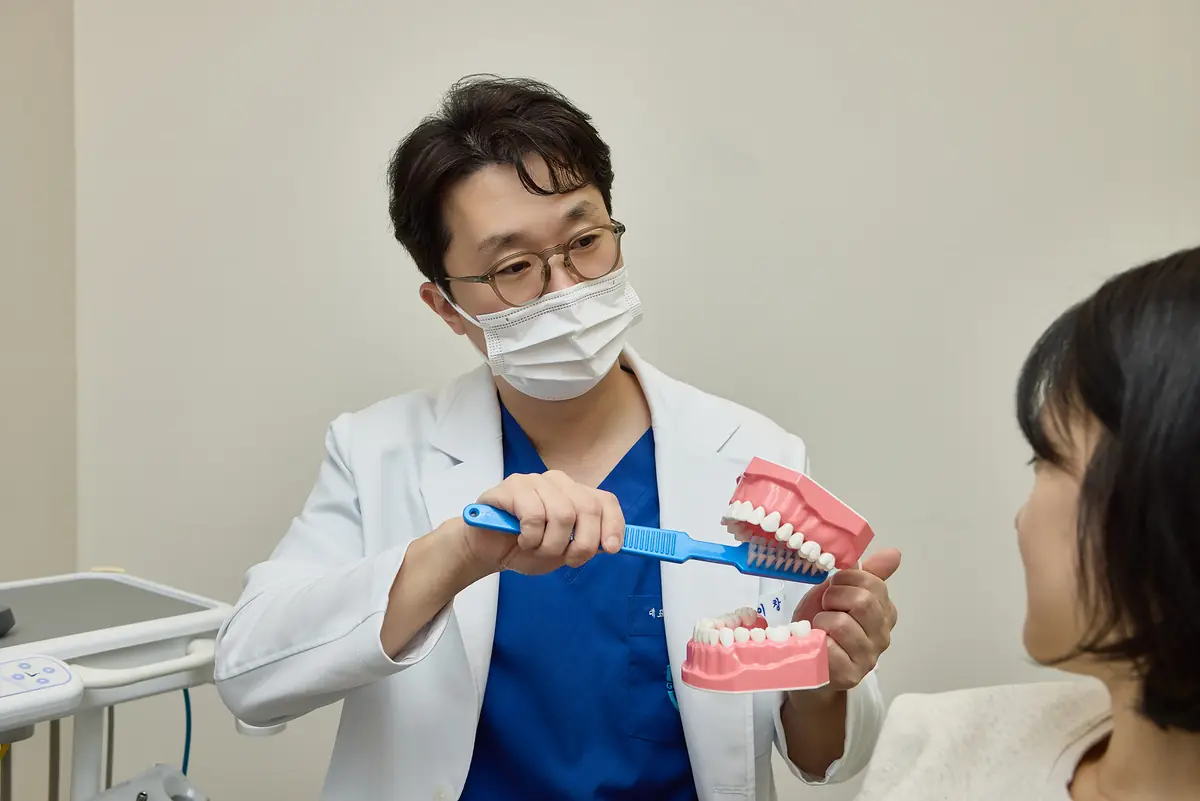
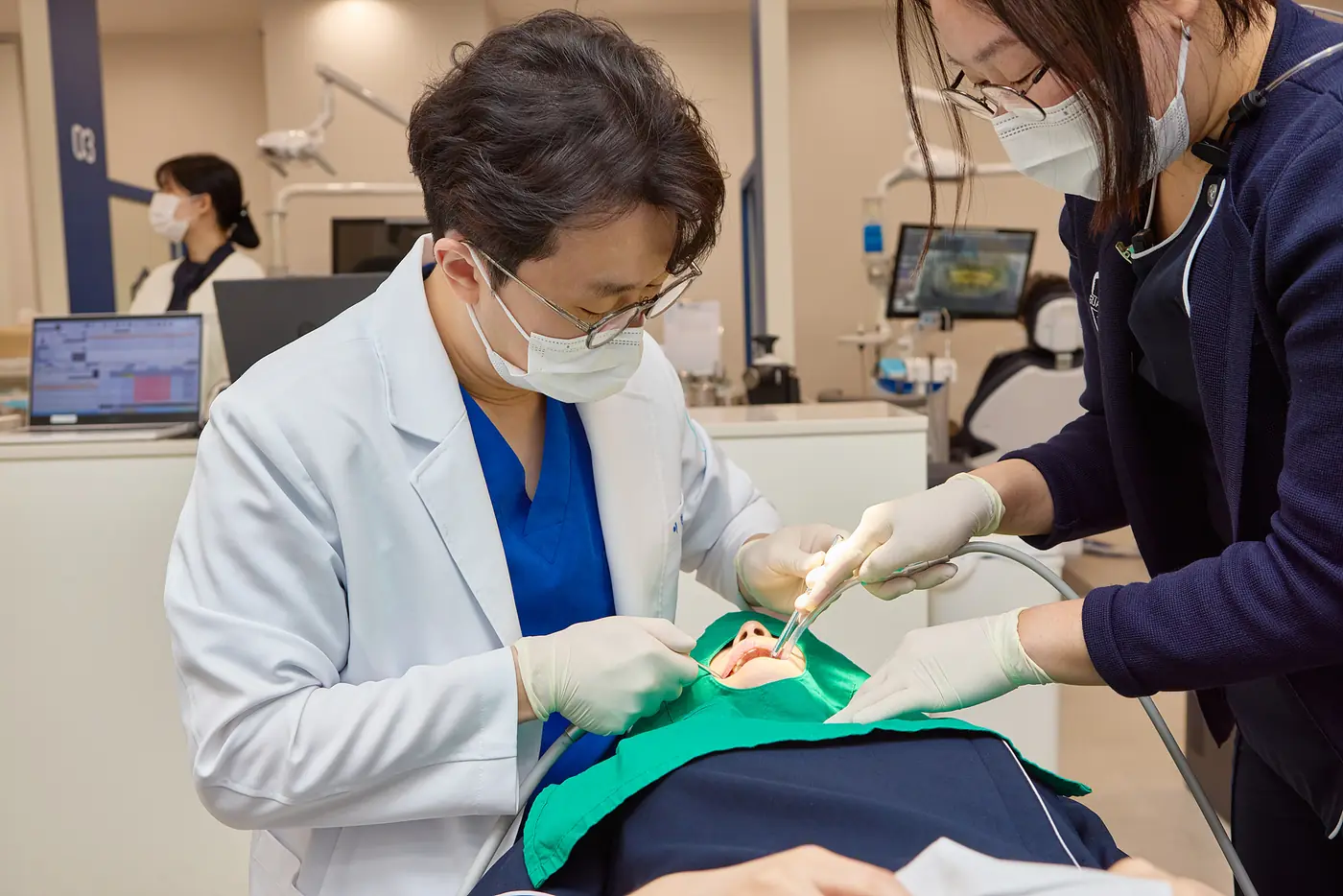
Bleeding when you brush is most often a sign of gingivitis, inflammation caused by plaque along the gum line. It usually improves within one to two weeks of gentle, thorough brushing, daily cleaning between the teeth and a professional cleaning. If the bleeding continues, or you notice receding gums, loose teeth or bad breath that will not go away, see a dentist or periodontist to check for periodontitis.
Why gums bleed
- Plaque and gingivitis. The most common cause. Bacteria along the gum line make the gums red, puffy and quick to bleed.
- Tartar. Hardened plaque that brushing cannot remove keeps the gums irritated until it is cleaned off.
- A new routine. Starting to floss, or brushing too hard with a firm brush, can cause bleeding for a few days.
- Hormonal changes, for example in pregnancy, can make gums more sensitive.
- Some medicines, such as blood thinners, make bleeding more likely.
Smoking can hide the warning sign: it reduces bleeding even when the gums are inflamed.
What to do at home
- Brush twice a day for two minutes with a soft brush, angled towards the gum line, using gentle circles.
- Clean between your teeth every day with floss or interdental brushes.
- Do not stop because it bleeds. Bleeding usually decreases as the inflammation settles, often within one to two weeks.
When to see a dentist
- Bleeding that has not improved after about two weeks of good cleaning.
- Gums that are swollen, tender or pulling away from the teeth.
- Teeth that feel loose or have started to move.
- Bad breath or a bad taste that will not go away.
Swelling that spreads to your face or neck, with fever or difficulty swallowing, needs urgent care the same day.
Gingivitis or periodontitis?
Gingivitis affects the gums only and is reversible with cleaning and good home care. Periodontitis goes deeper: the bone that holds the teeth starts to break down. It is managed by a periodontist with deep cleaning and regular maintenance, and caught early it is very treatable.
Getting your gums checked in Seoul
At Guardians Dental in Myeongdong, full-mouth scaling takes about 40 minutes (reference fee ₩120,000), and gums can be checked by Dr. Changmin Lee, a periodontics specialist and Diplomate of the American Board of Periodontology. See scaling on a Seoul trip.
Questions people ask
Is it normal for gums to bleed when brushing?
It is common but not normal. It usually means plaque has inflamed the gums, and it often improves within one to two weeks of better cleaning.
Should I stop flossing if my gums bleed?
No. Keep cleaning gently. Bleeding usually decreases as the inflammation settles. If it has not improved in about two weeks, see a dentist.
Can I get my gums checked in Seoul as a tourist?
Yes. At Guardians Dental in Myeongdong, a periodontist can check your gums, and full-mouth scaling takes about 40 minutes.
✓Clinically reviewed by Dr. Changmin Lee, Guardians Dental Myeongdong (periodontics specialist; Diplomate, American Board of Periodontology), on 29 October 2026. This article is general information for travellers and does not replace an in-person exam.